Skip to main content
Contents Dark Mode Prev Up Next \(
\newcommand{\lt}{<}
\newcommand{\gt}{>}
\newcommand{\amp}{&}
\definecolor{fillinmathshade}{gray}{0.9}
\newcommand{\fillinmath}[1]{\mathchoice{\colorbox{fillinmathshade}{$\displaystyle \phantom{\,#1\,}$}}{\colorbox{fillinmathshade}{$\textstyle \phantom{\,#1\,}$}}{\colorbox{fillinmathshade}{$\scriptstyle \phantom{\,#1\,}$}}{\colorbox{fillinmathshade}{$\scriptscriptstyle\phantom{\,#1\,}$}}}
\)
Section A.2 Verb Phrases: Tense, Aspect, Voice, and Modality
This section follows
the chef cooks dinner through every configuration of the English auxiliary system. Each diagram adds or changes one element, building from a simple verb to the full auxiliary stack.
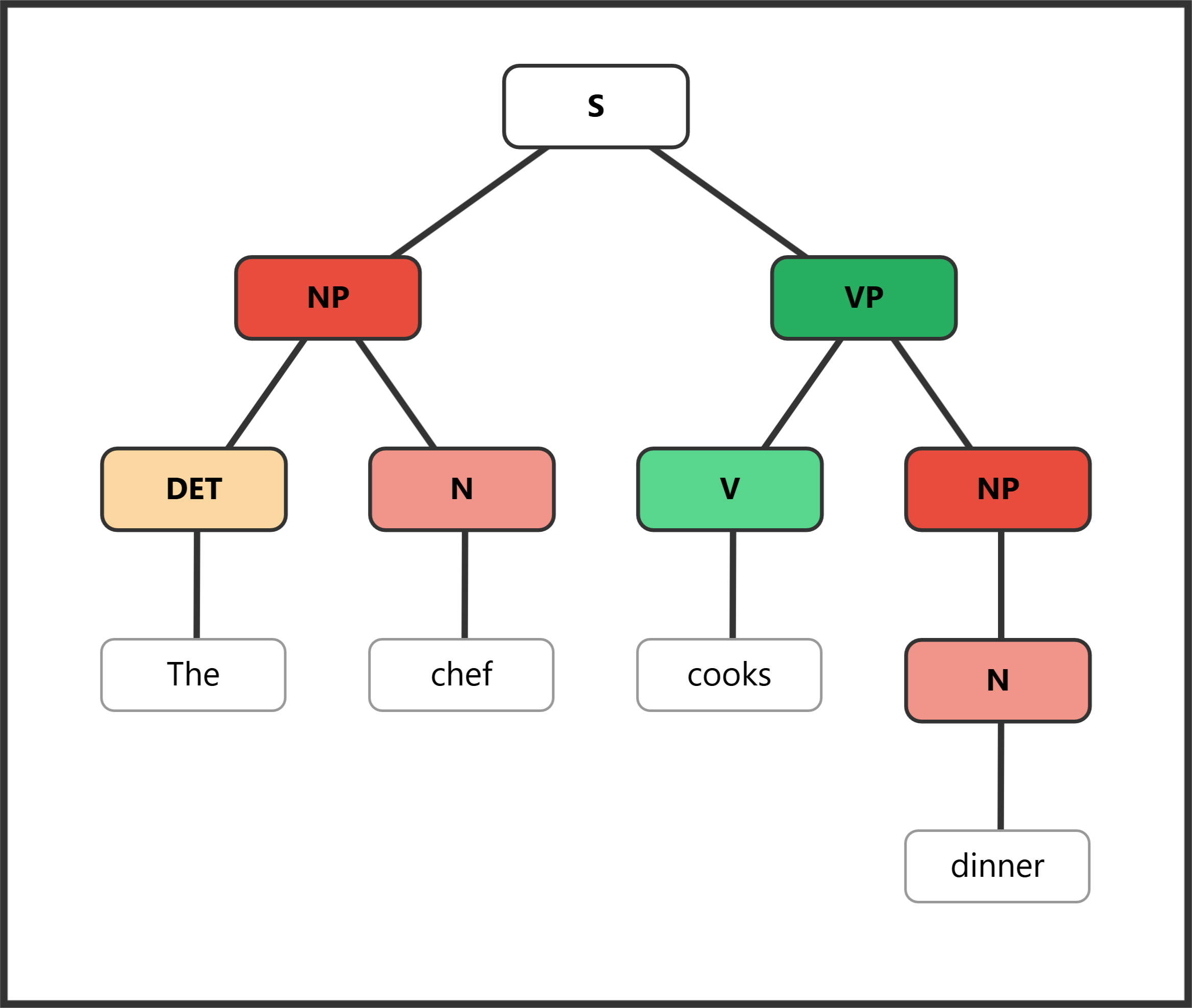
Figure A.2.1. Simple Present (No Auxiliary): The chef cooks dinner
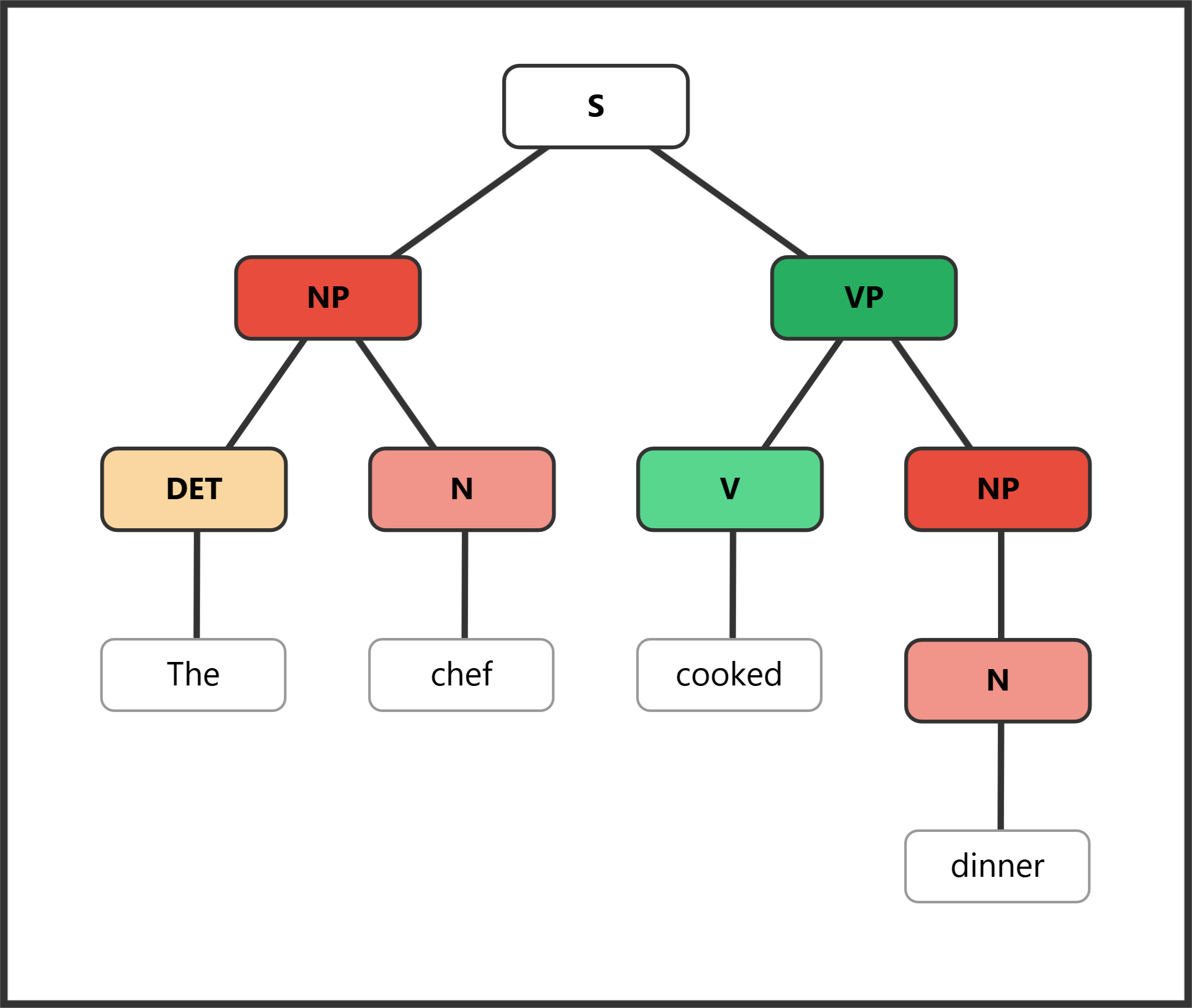
Figure A.2.2. Simple Past: The chef cooked dinner
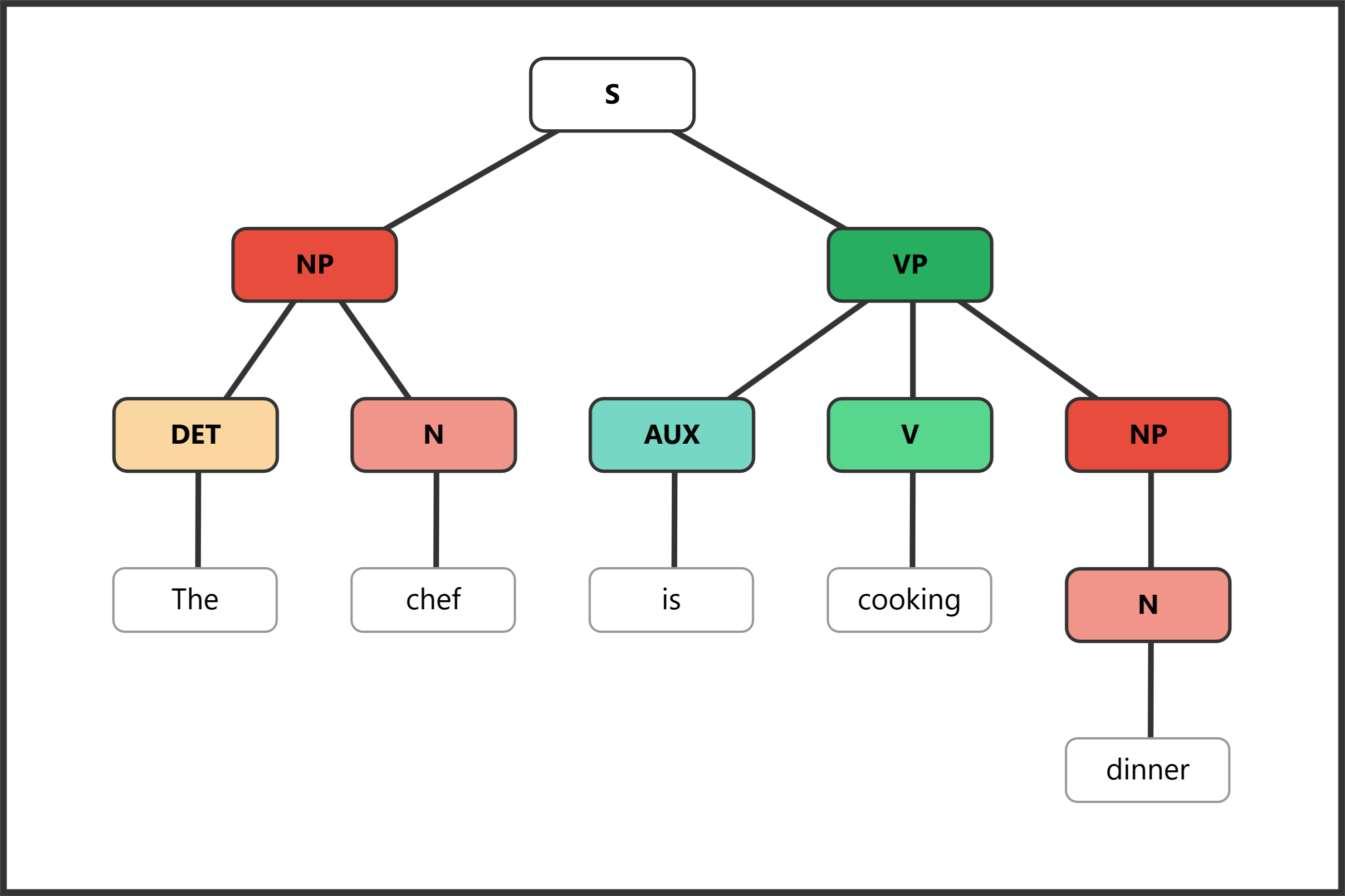
Figure A.2.3. Progressive Aspect (BE + -ing): The chef is cooking dinner
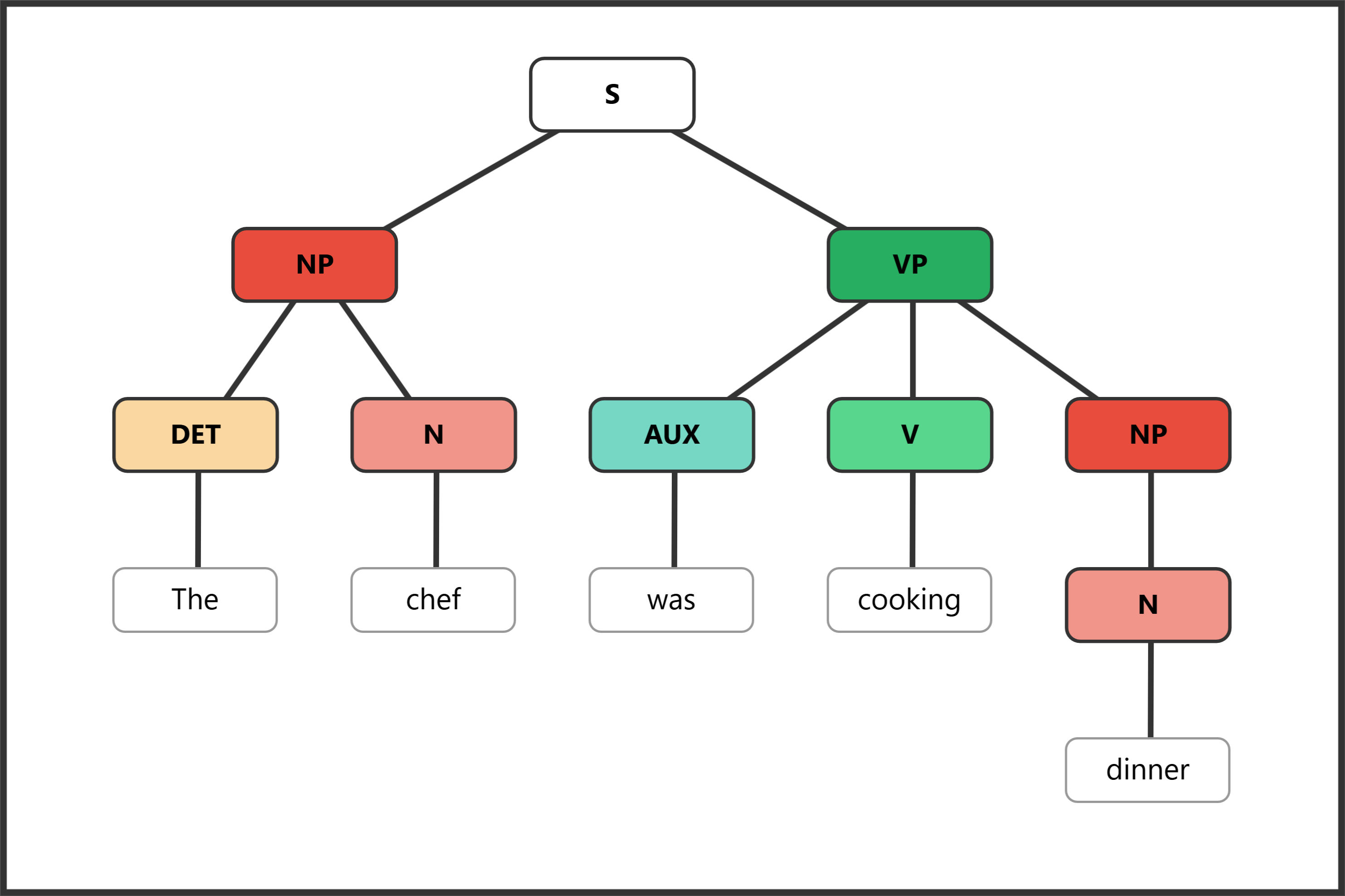
Figure A.2.4. Past Progressive: The chef was cooking dinner
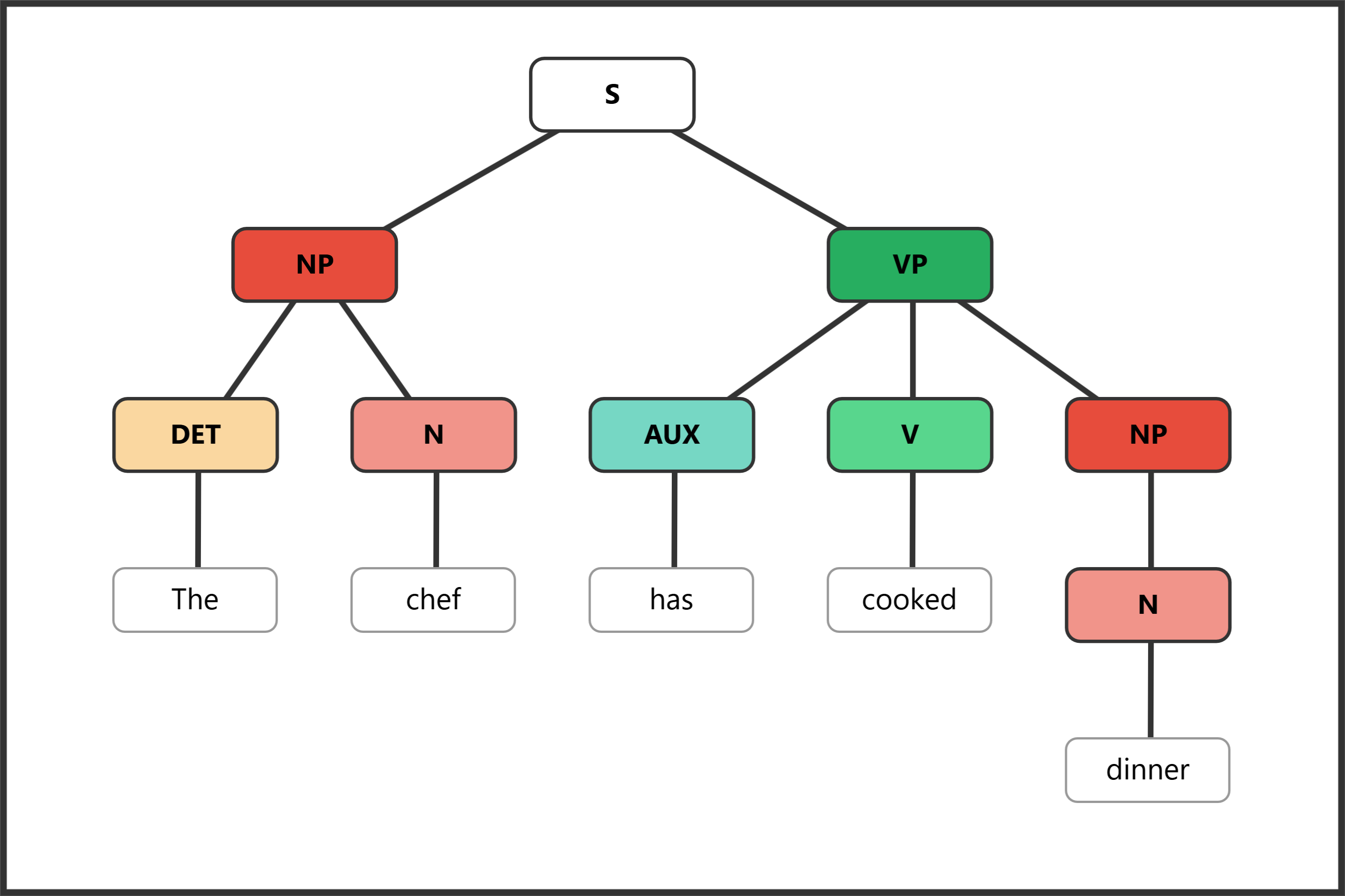
Figure A.2.5. Perfect Aspect (HAVE + past participle): The chef has cooked dinner
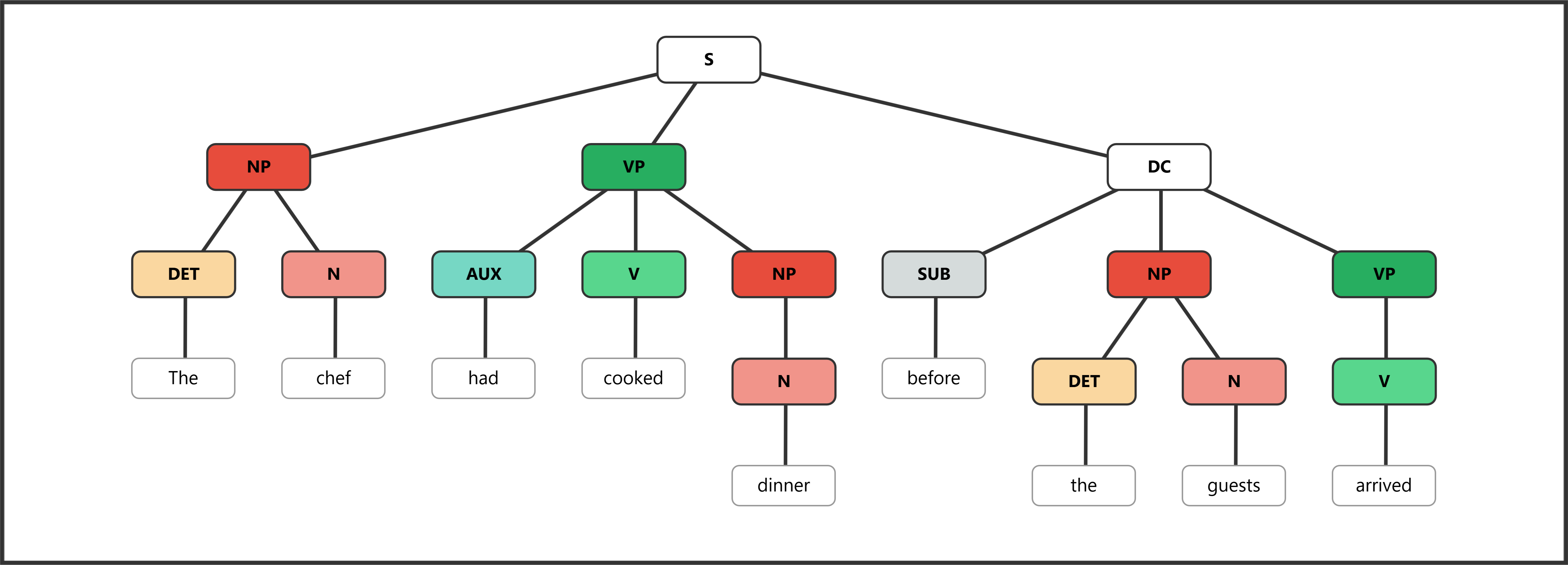
Figure A.2.6. Past Perfect: The chef had cooked dinner before the guests arrived
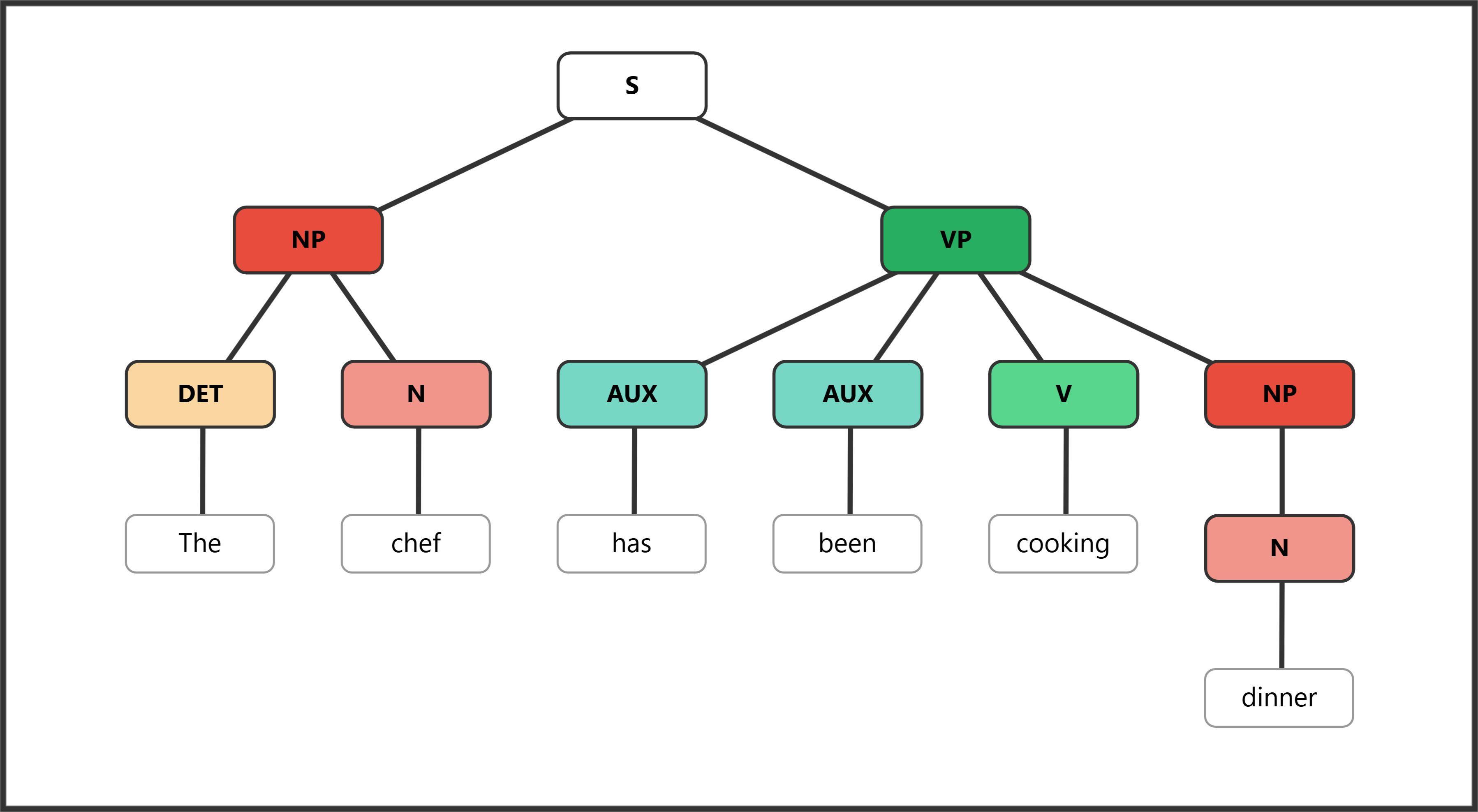
Figure A.2.7. Perfect Progressive: The chef has been cooking dinner
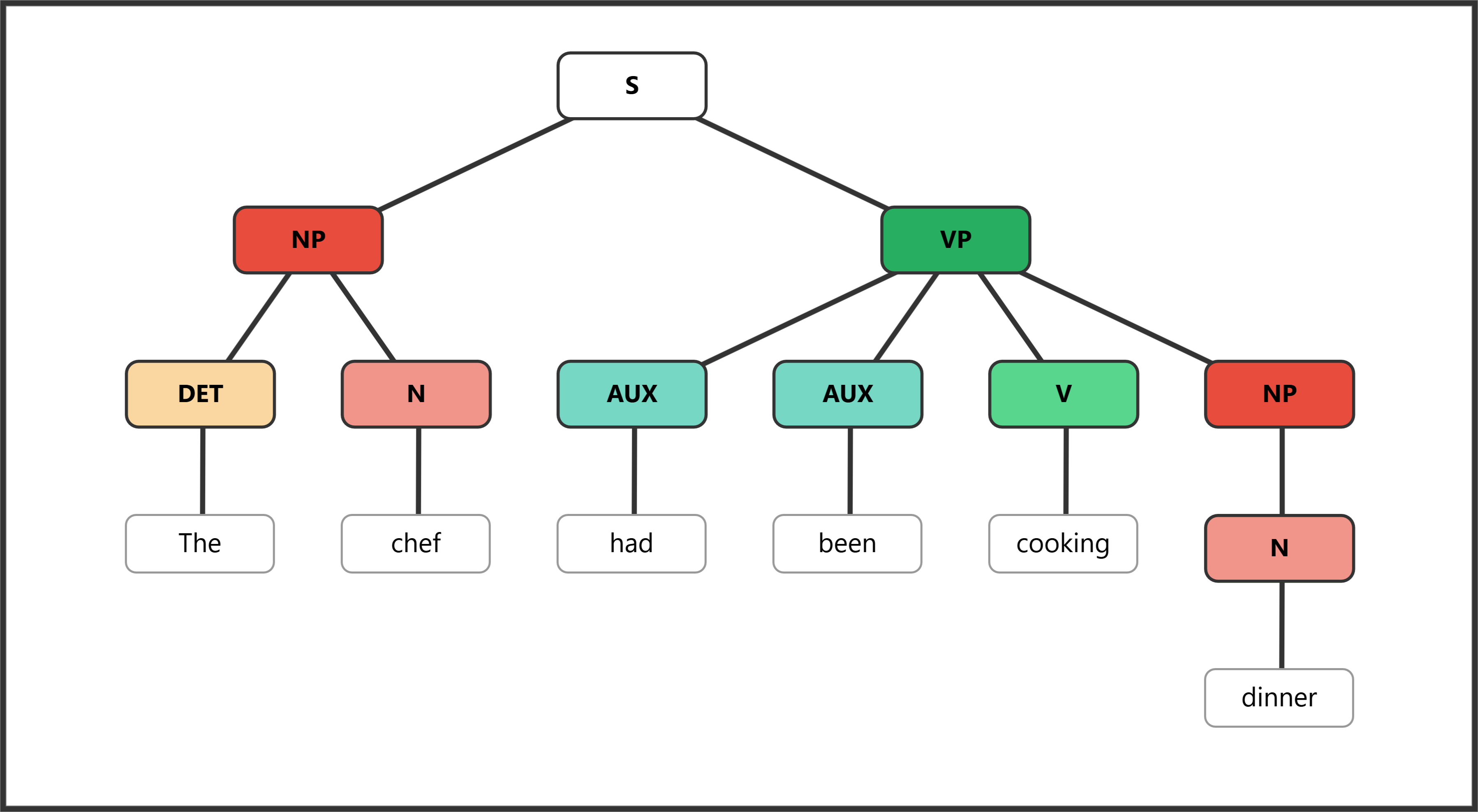
Figure A.2.8. Past Perfect Progressive: The chef had been cooking dinner
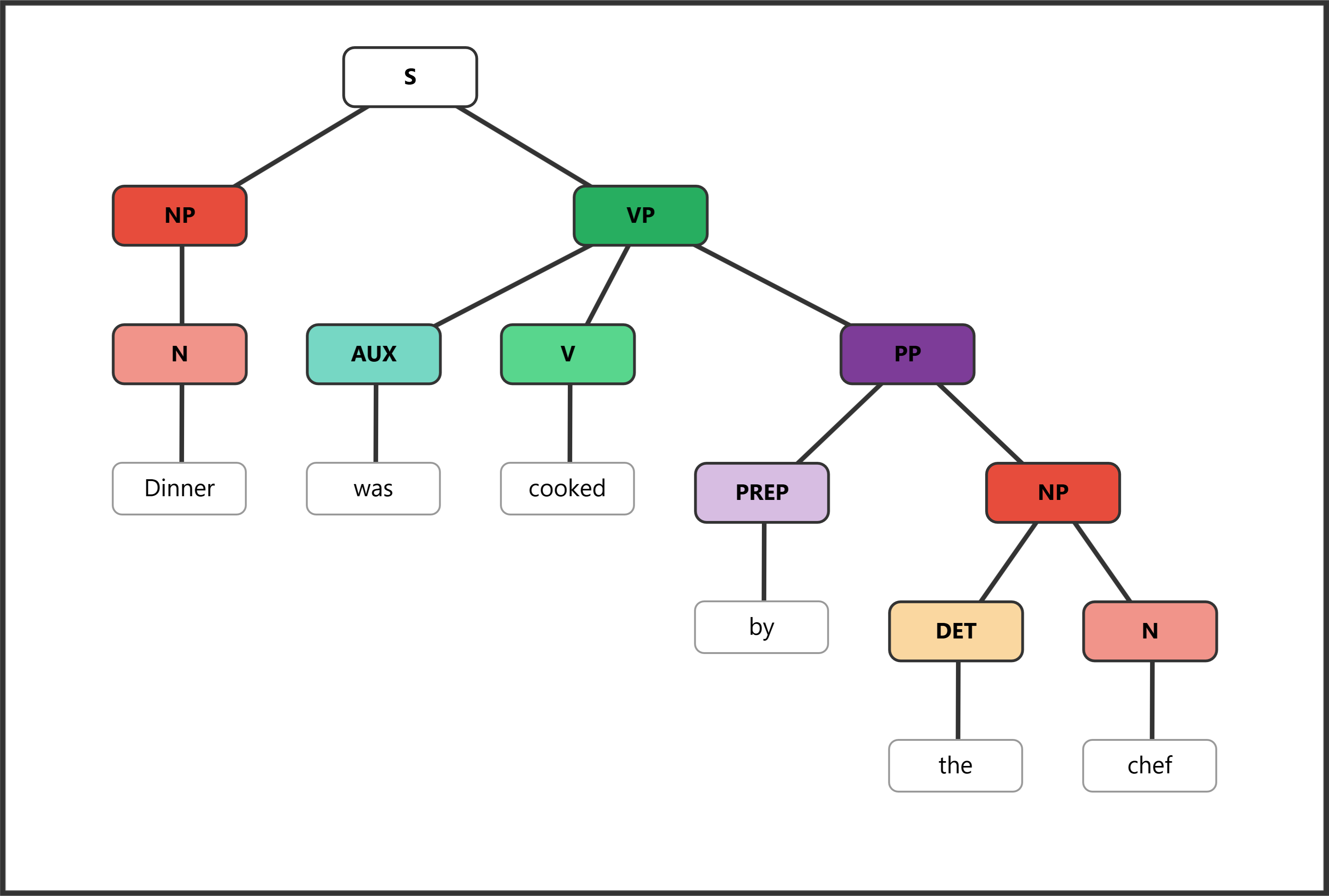
Figure A.2.9. Passive Voice: Dinner was cooked by the chef
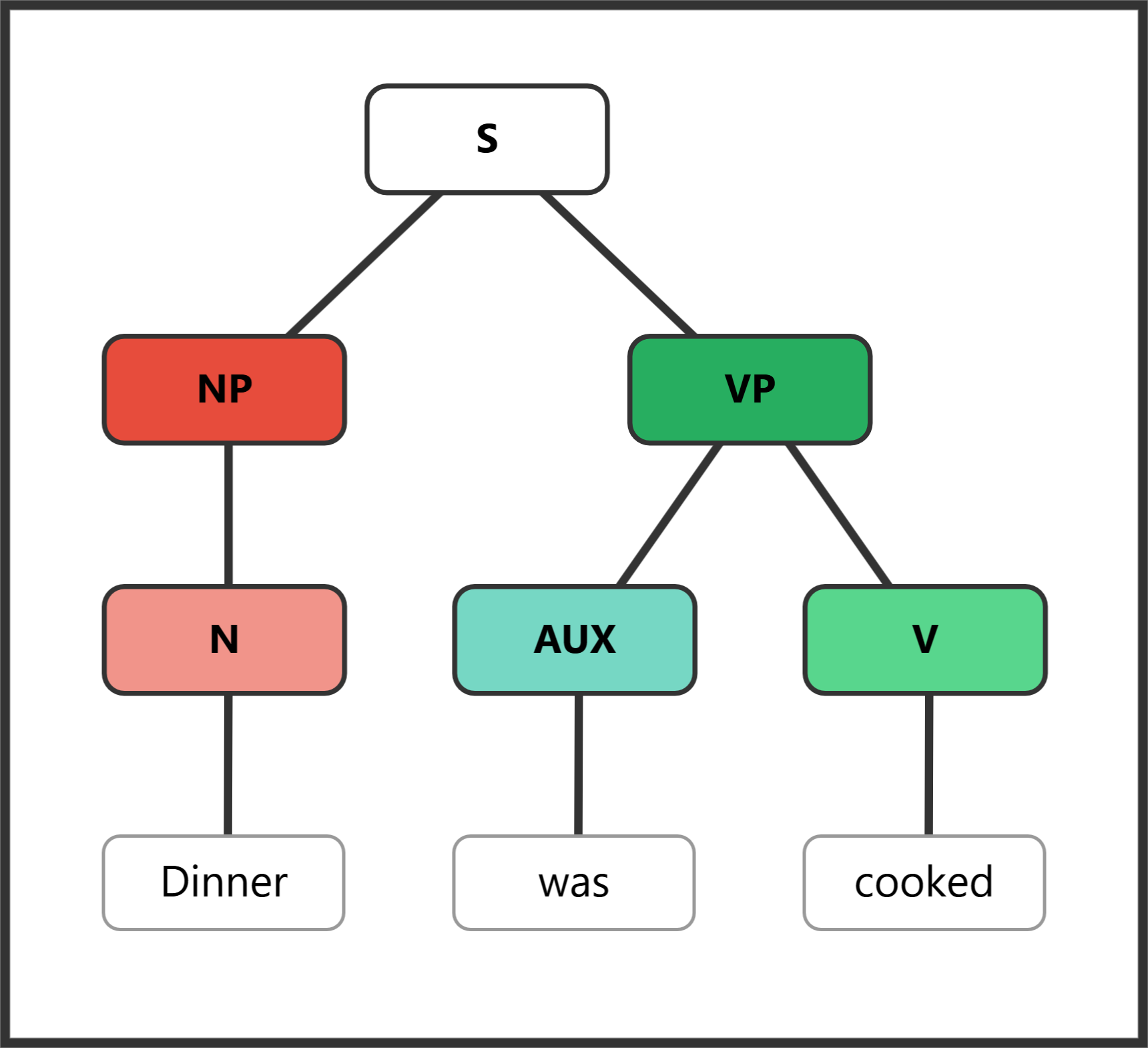
Figure A.2.10. Passive without Agent: Dinner was cooked
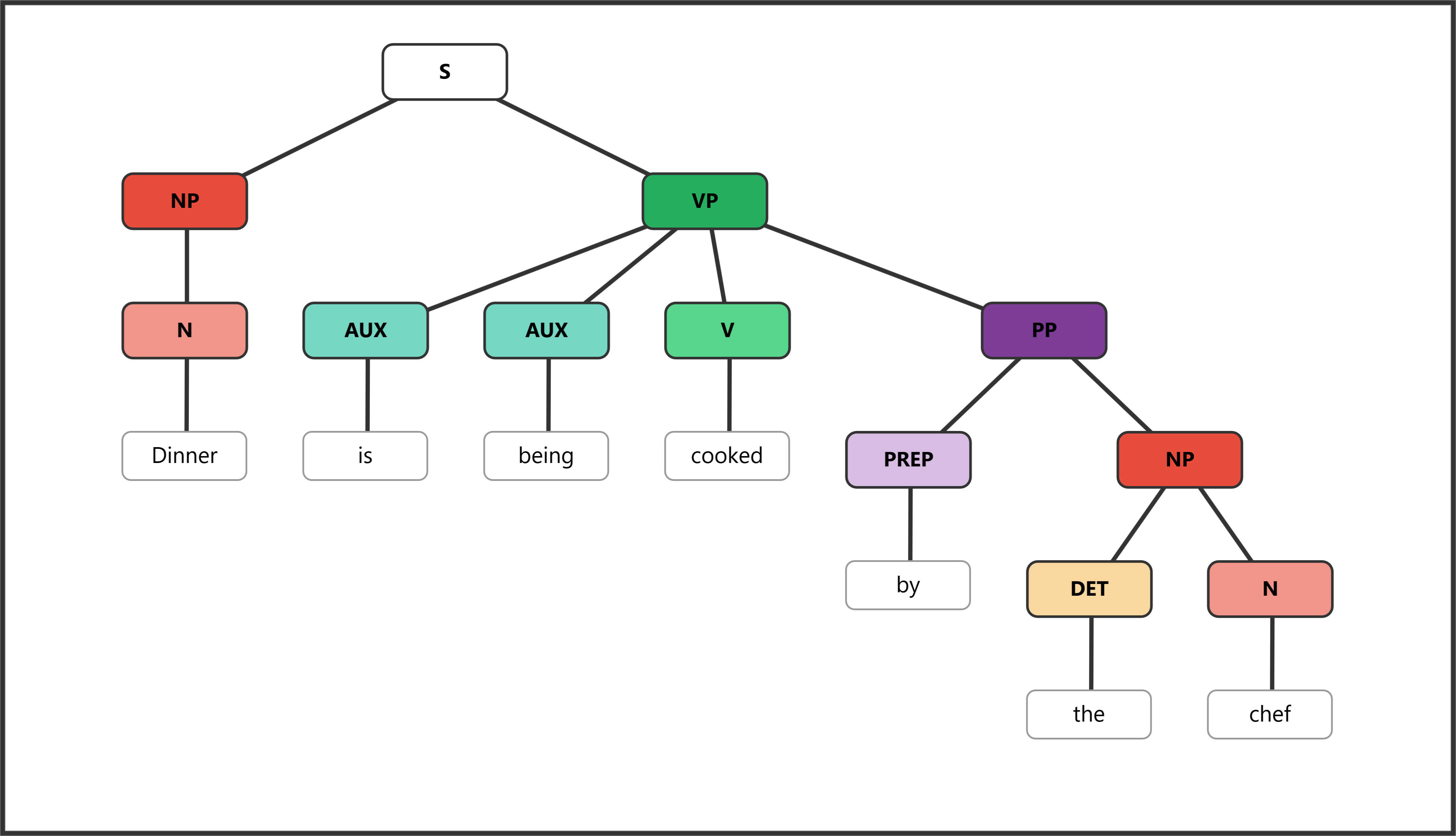
Figure A.2.11. Progressive Passive: Dinner is being cooked by the chef
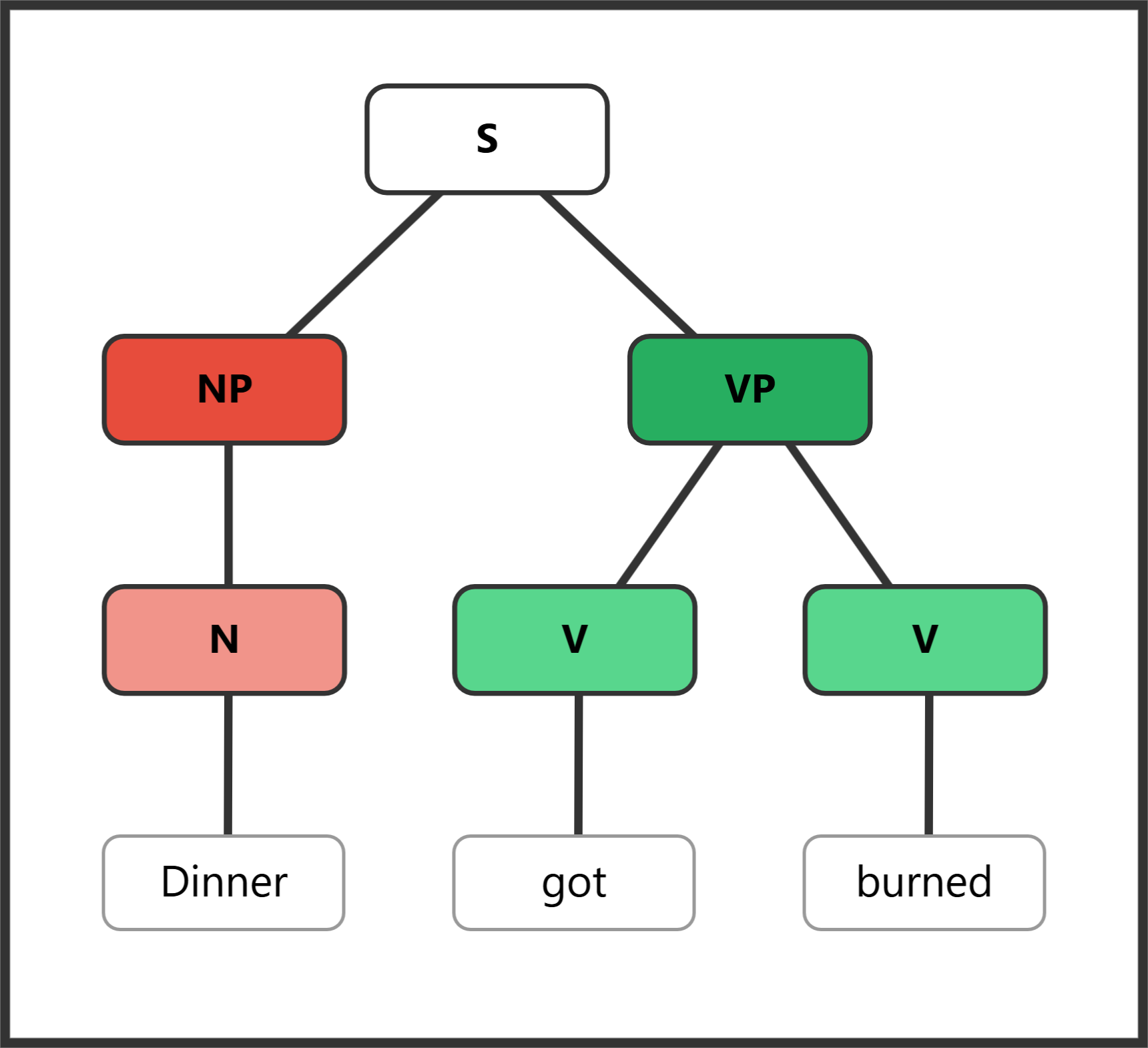
Figure A.2.12. Get-Passive: Dinner got burned
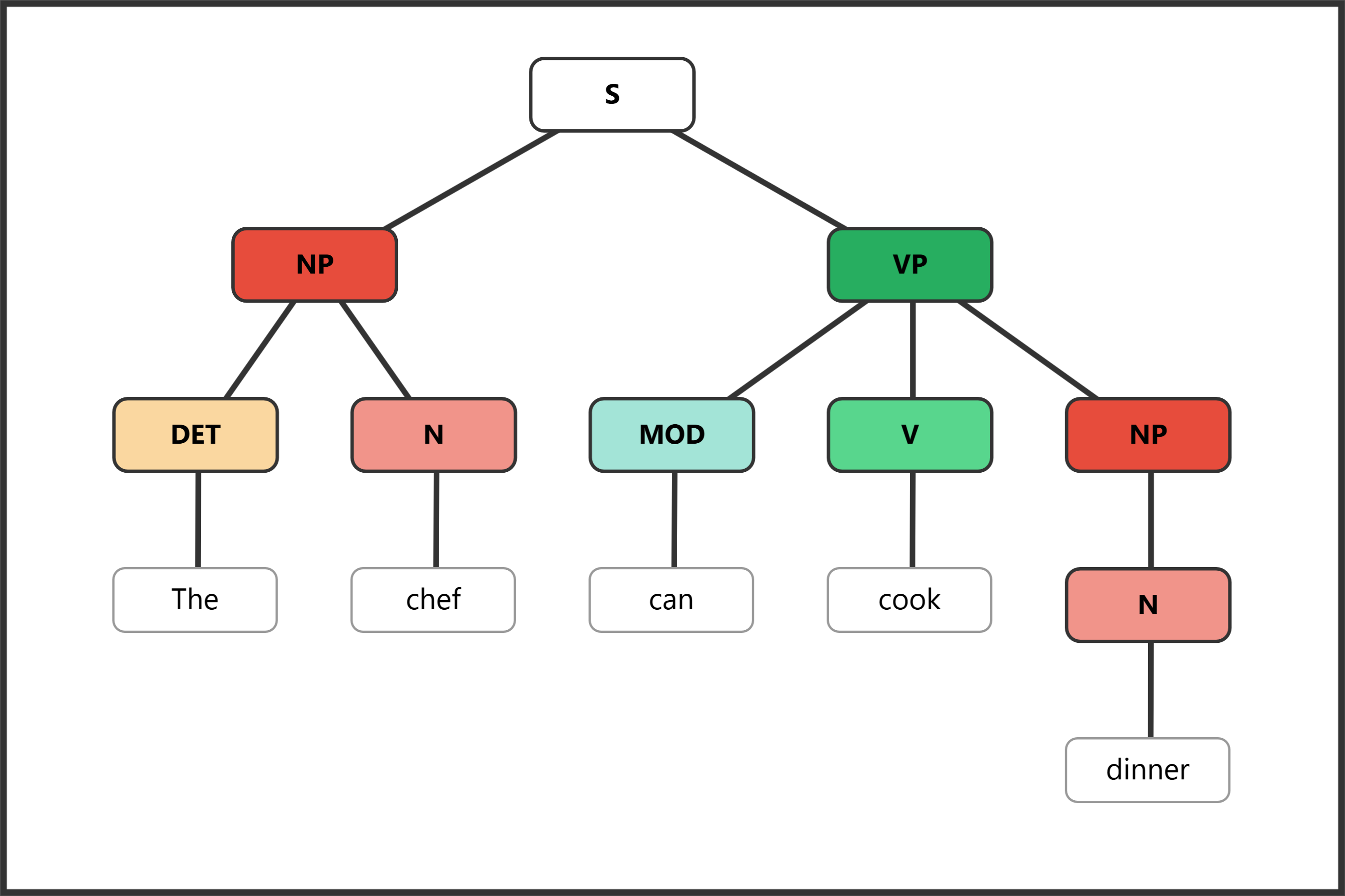
Figure A.2.13. Modal — Ability: The chef can cook dinner
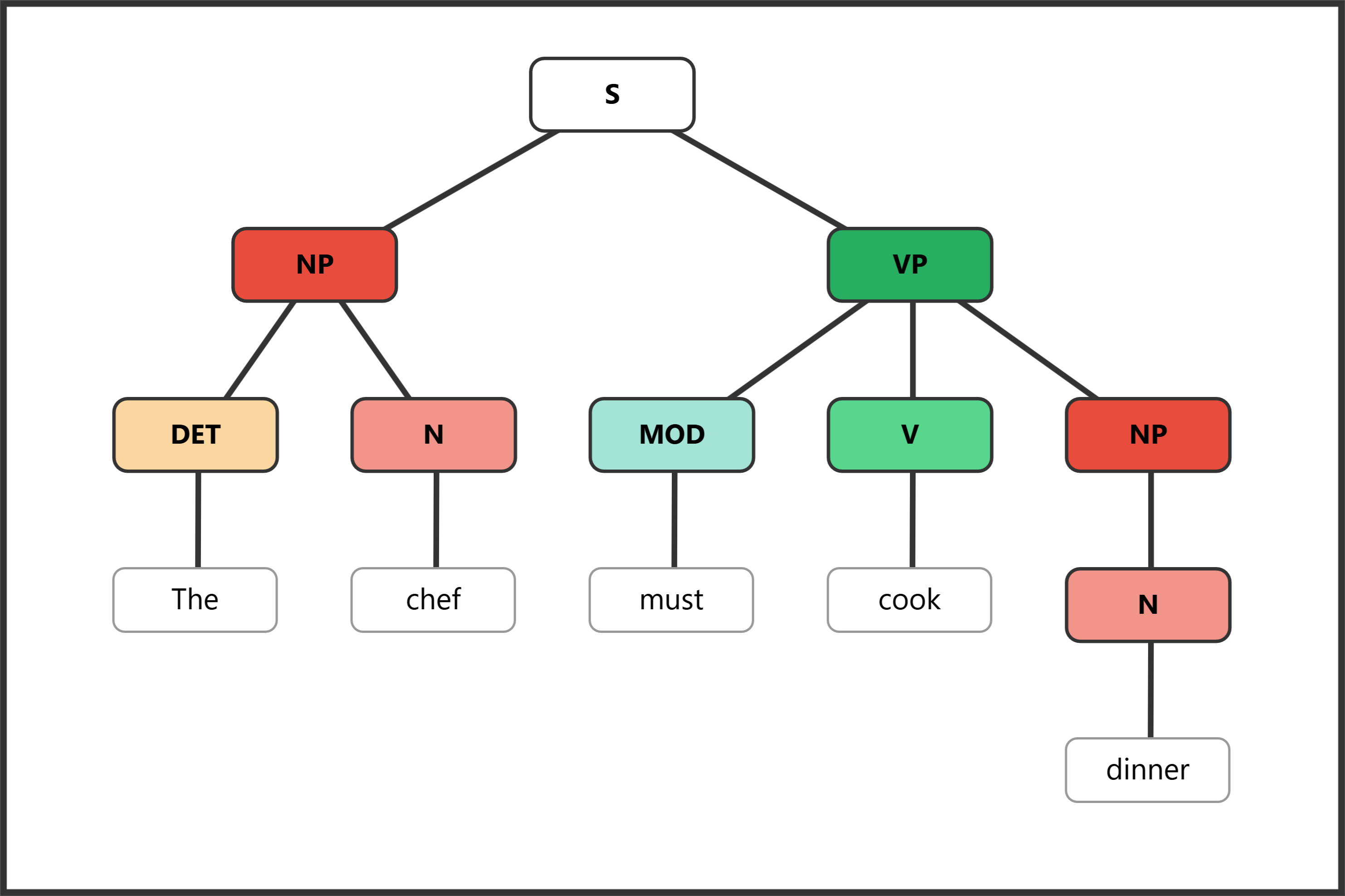
Figure A.2.14. Modal — Obligation: The chef must cook dinner
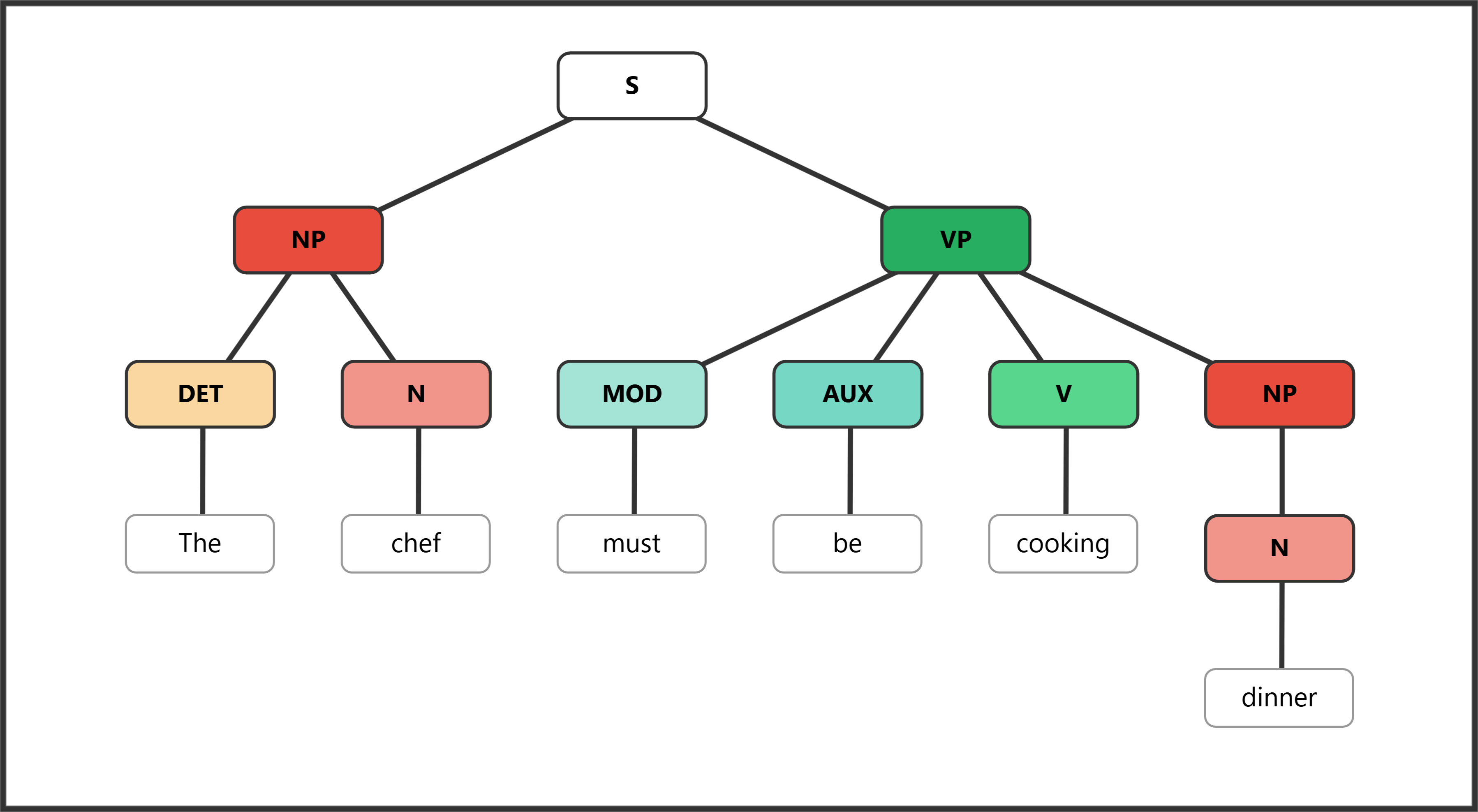
Figure A.2.15. Modal — Epistemic: The chef must be cooking dinner
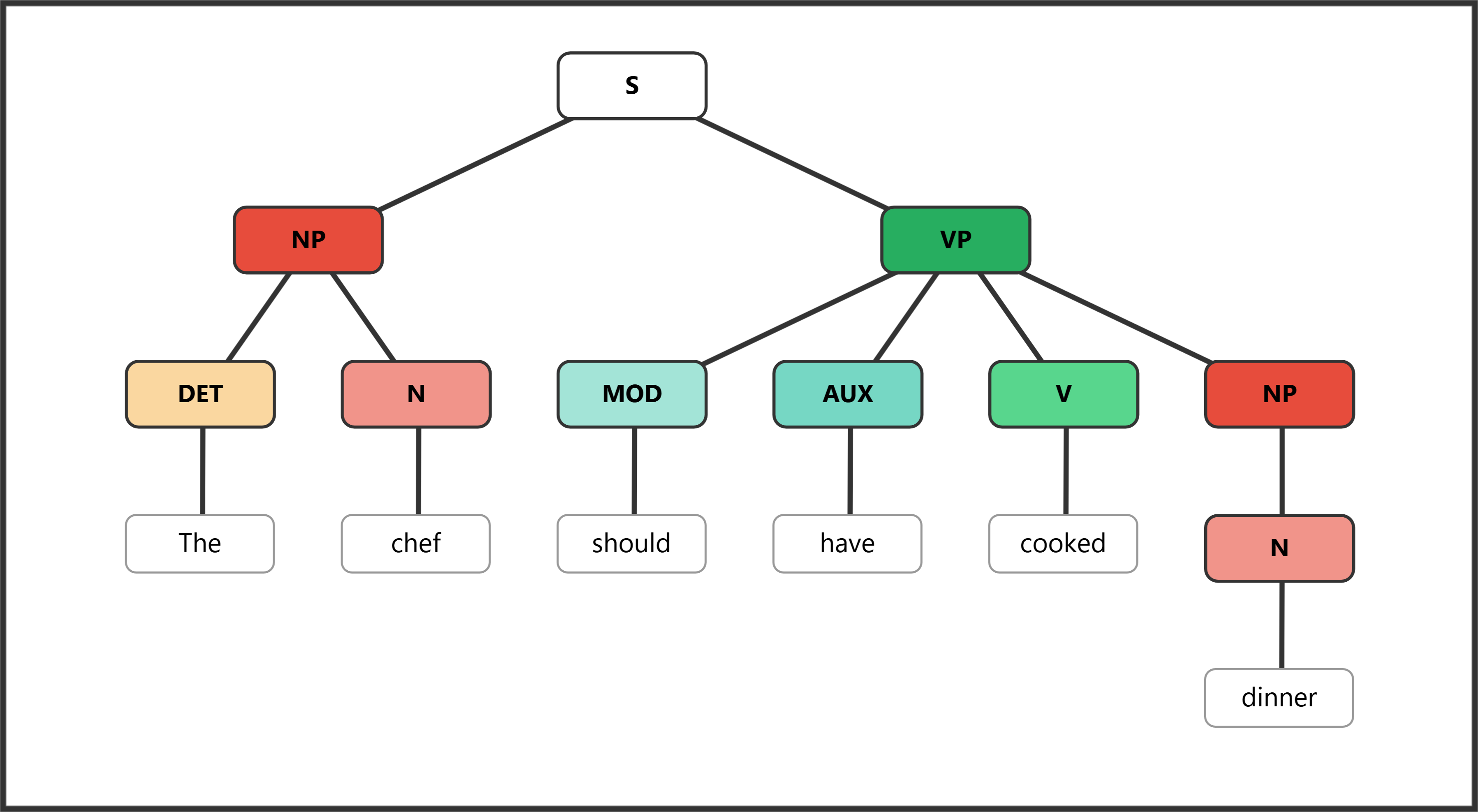
Figure A.2.16. Modal + Perfect: The chef should have cooked dinner
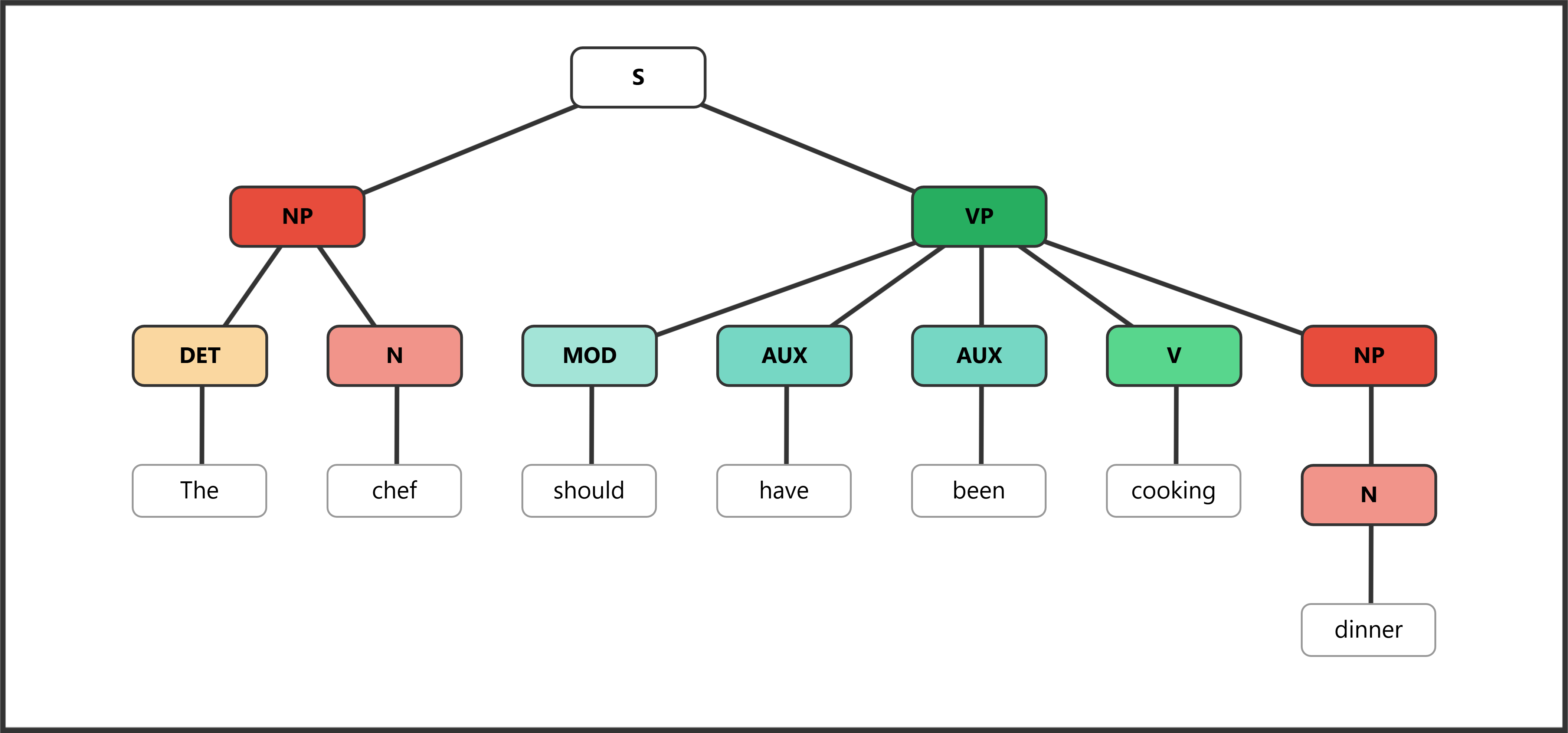
Figure A.2.17. Modal + Perfect Progressive: The chef should have been cooking dinner
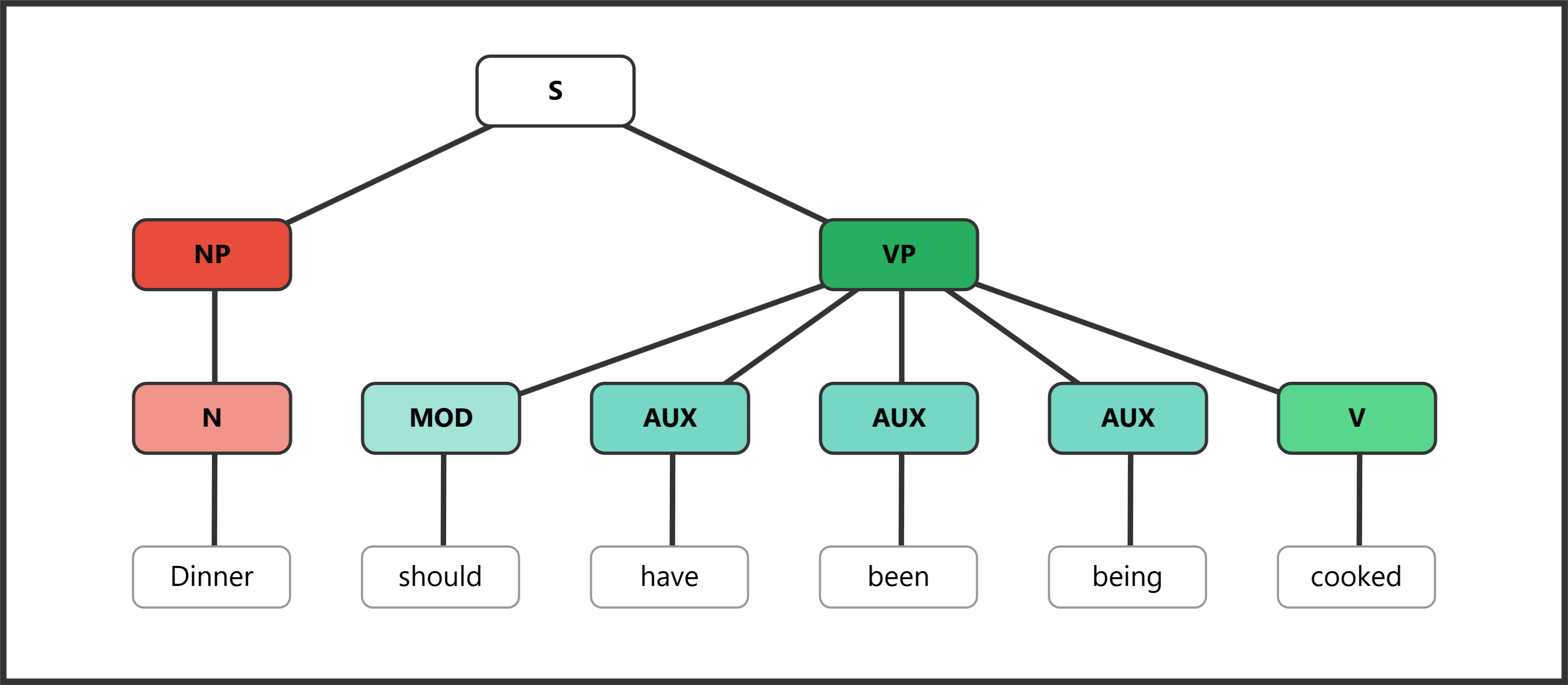
Figure A.2.18. Full Auxiliary Stack: Dinner should have been being cooked
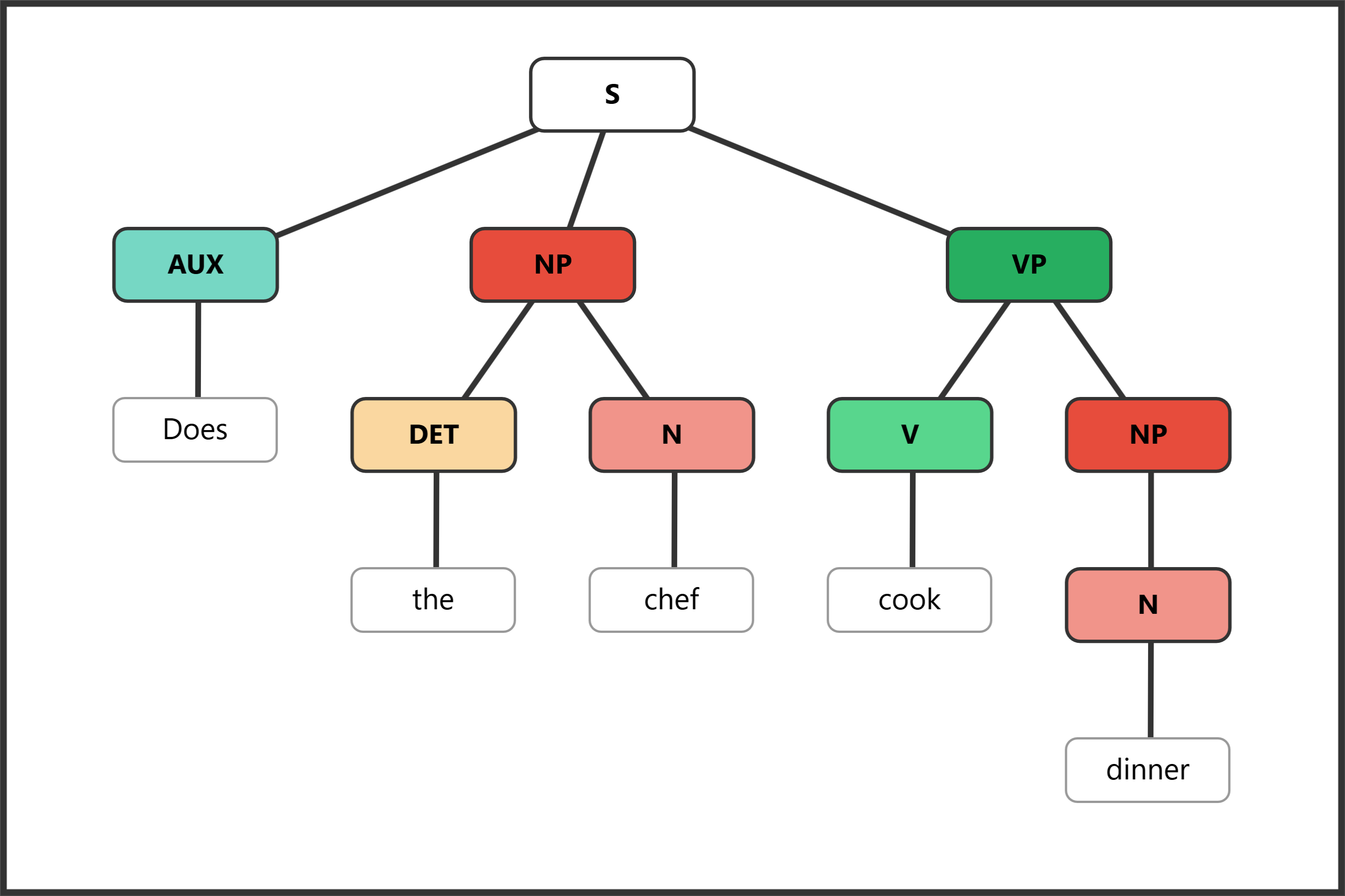
Figure A.2.19. DO-Support in Questions: Does the chef cook dinner?
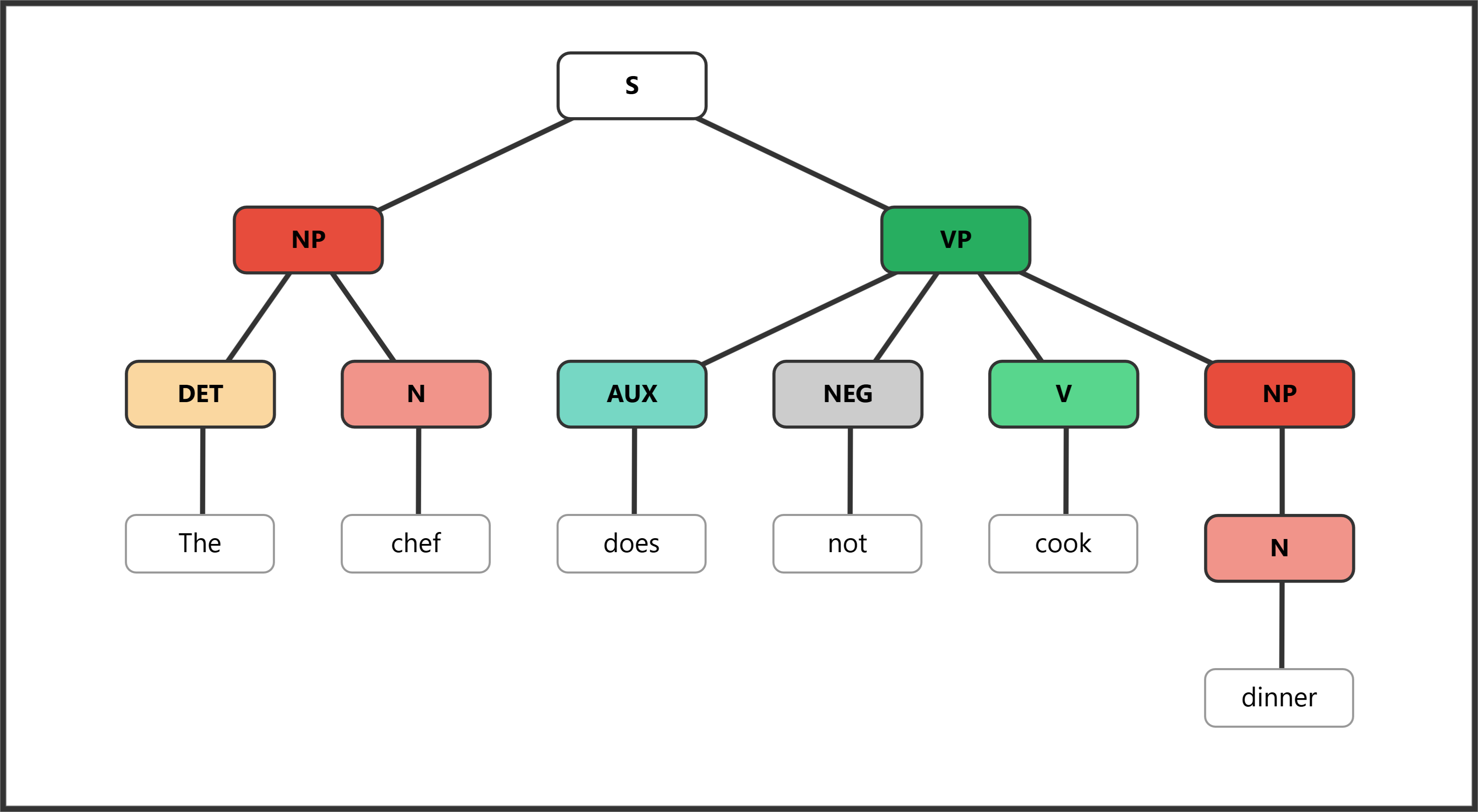
Figure A.2.20. DO-Support in Negation: The chef does not cook dinner